• THE SERTÃO

OUR
SERTÃO

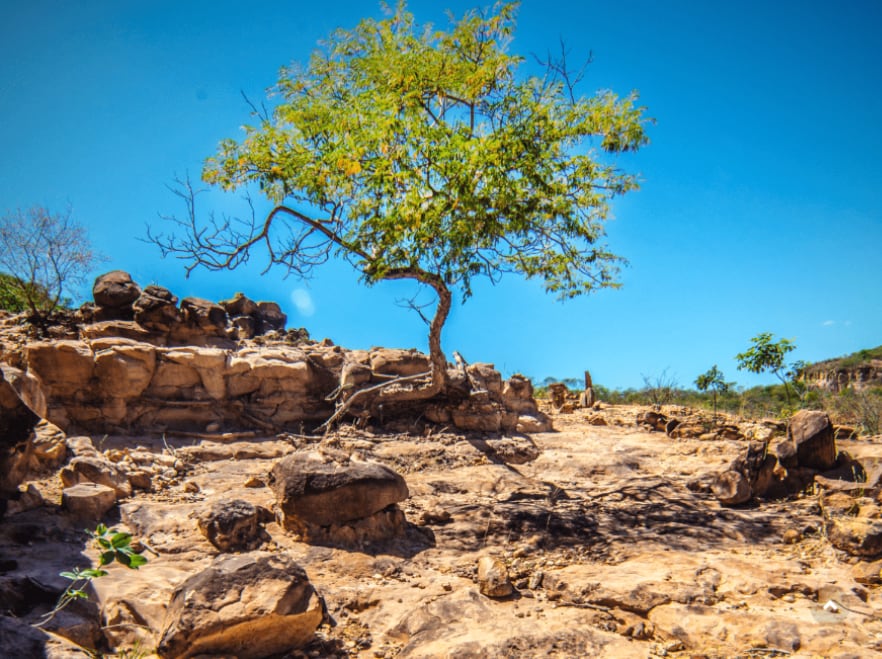
The countryside of Ceará tells the story of its people through the years. Cultural references can be found everywhere, and while traveling through its municipalities, visitors can discover the natural richness of Ceará’s fauna and flora, spread across the state’s mountains, backlands, and plateaus.

QUIXADÁ

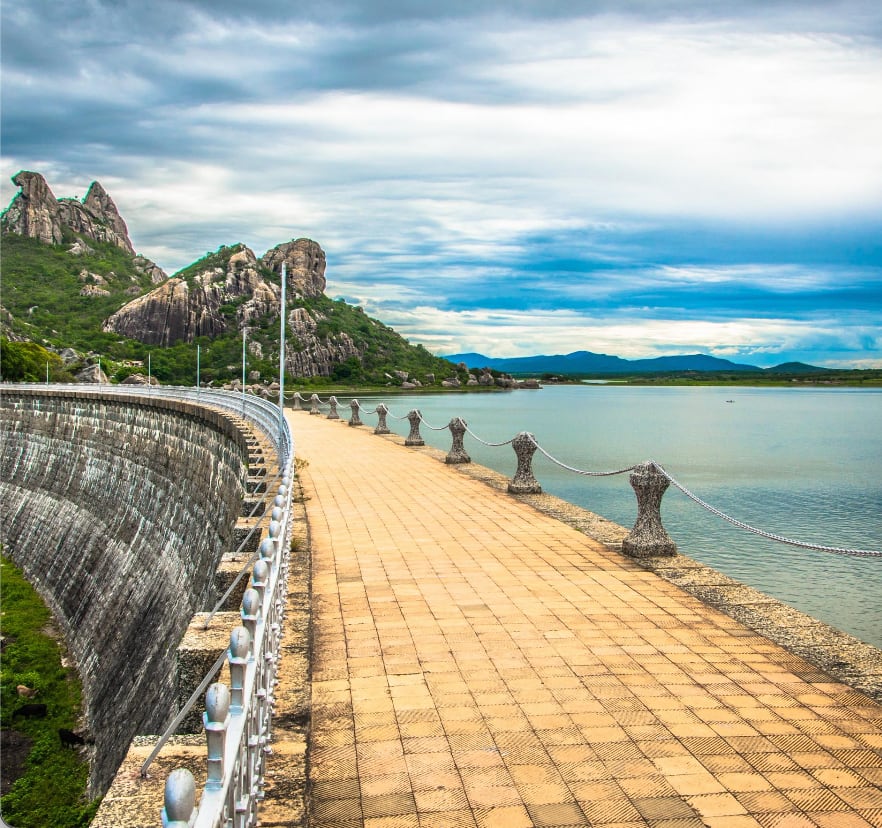
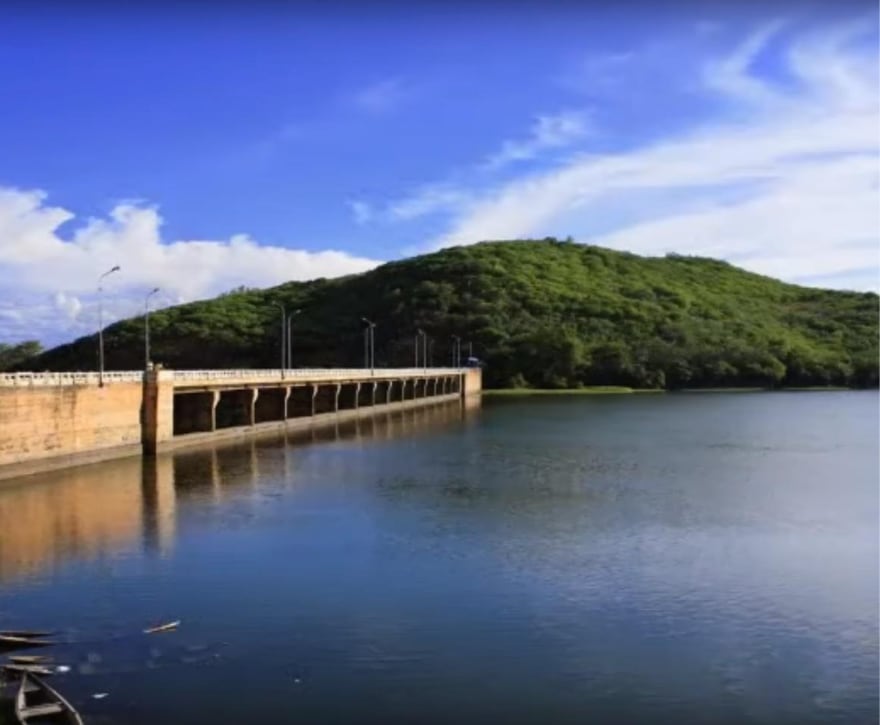
A major destination for ecotourism and adventure tourism, Quixadá offers ecological trails and is an ideal place for activities such as hang gliding, rappelling, trekking, mountain biking, and more. Its main attractions include the Monumental Valley and the Cedro Reservoir, a historic dam listed as a National Historical Heritage site. The historic reservoir adds a unique touch to the landscape, which impresses all visitors with its colossal monoliths, including the famous “Talking Stones” and “Brooding Hen” rock formations, among many others in the region that attract adventure sports enthusiasts. The Sanctuary of Our Lady Immaculate Queen of the Sertão, built in 1995, stands 550 meters above sea level and is located 12 km from downtown Quixadá. In local cuisine, Quixadá is known for specialties such as sun-dried beef (carne de sol), baião de dois with coalho cheese, vegetables, and “manteiga da terra” (traditional clarified butter) — a flavorful and typical dish of Ceará.

Distance:  158 km from Fortaleza

QUIXERAMOBIM

Its archaeological sites are among the city’s greatest attractions. Impressive and mysterious rock formations challenge the understanding of many researchers and spark the imagination of visitors. The Quixeramobim Canal, located near the city, allows visitors to explore surrounding agricultural areas, including the Uruquê National Farm, where grapes are cultivated. Quixeramobim also preserves important historical references, such as the old railway built by the British in the early 20th century and historic buildings like the Casa de Câmara e Cadeia, dating back to 1832. Every August, the city hosts the lively Festival of Violas and Violeiros, bringing together renowned artists of the traditional folk music characteristic of the Brazilian sertão.

Distance: 206 km from Fortaleza

CARIRI

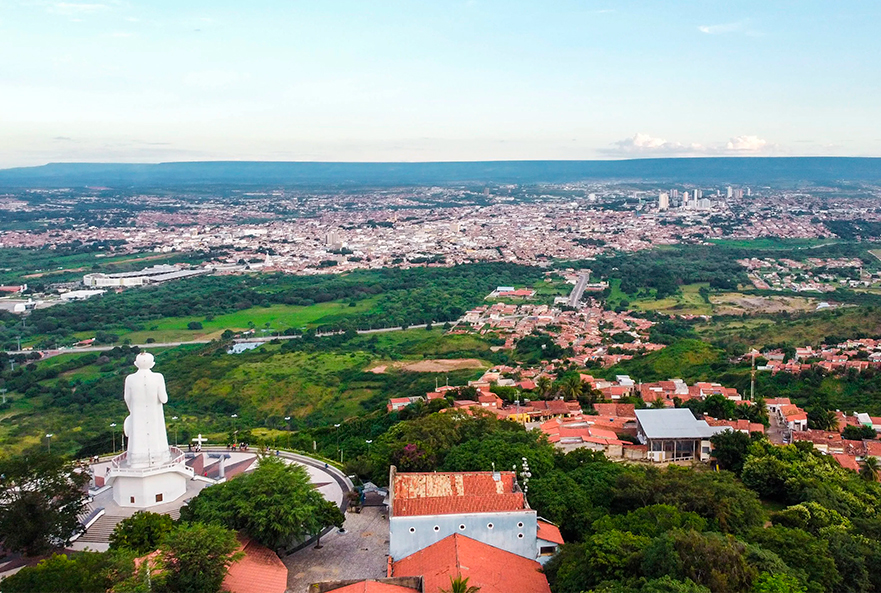
The Cariri region’s main cities are Juazeiro do Norte, Crato and Barbalha, known together as the CRAJUBAR Triangle. Along with these three, the neighboring municipalities of Caririaçu, Farias Brito, Jardim, Missão Velha, Nova Olinda and Santana do Cariri are also part of the region. Cariri influences the southern region of Ceará and the border areas between Ceará and the states of Pernambuco, Paraíba and Piauí. Juazeiro do Norte experienced significant growth around the religious mysticism associated with Padre Cícero, receiving every year thousands of devotees from across Brazil, especially from the Northeast countryside. The municipality of Crato hosts the largest agricultural fair in the Northeast, the EXPOCRATO.

Distance: 514 km from Fortaleza

GEOPARK ARARIPE

Araripe UNESCO Global Geopark is located in the southern region of the state of Ceará, in Northeast Brazil. The geopark includes the municipalities of Barbalha, Crato, Juazeiro do Norte, Missão Velha, Nova Olinda and Santana do Cariri. This territory lies within a region known for its remarkable geological record from the Cretaceous period, especially for its extraordinary paleontological heritage. Fossil records dating from approximately 150 to 90 million years ago have been discovered here, many in an exceptional state of preservation, revealing a remarkable diversity of ancient life forms.

Distance: 504 km from Fortaleza